Tesla set a closing date, then raised the price
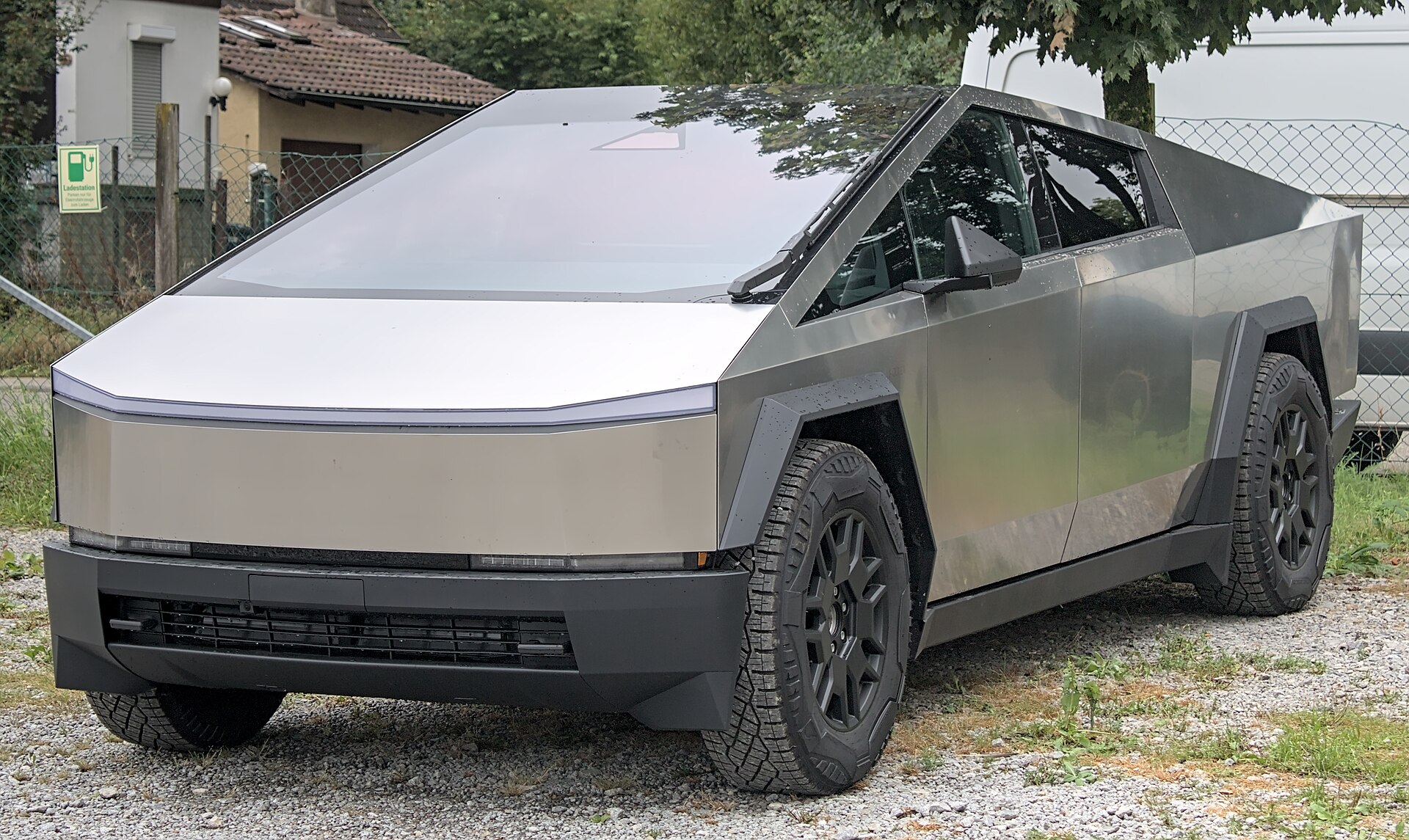
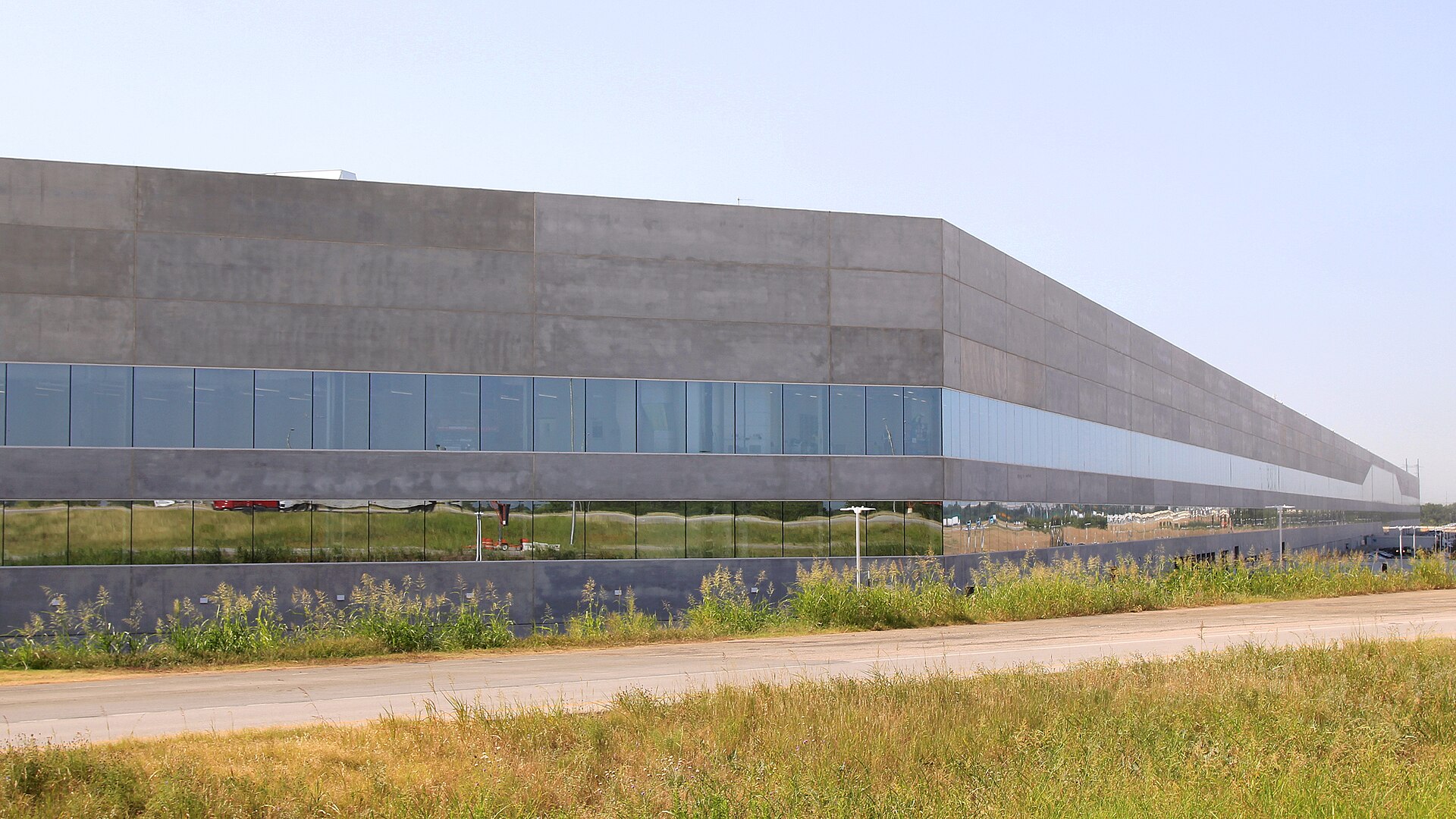
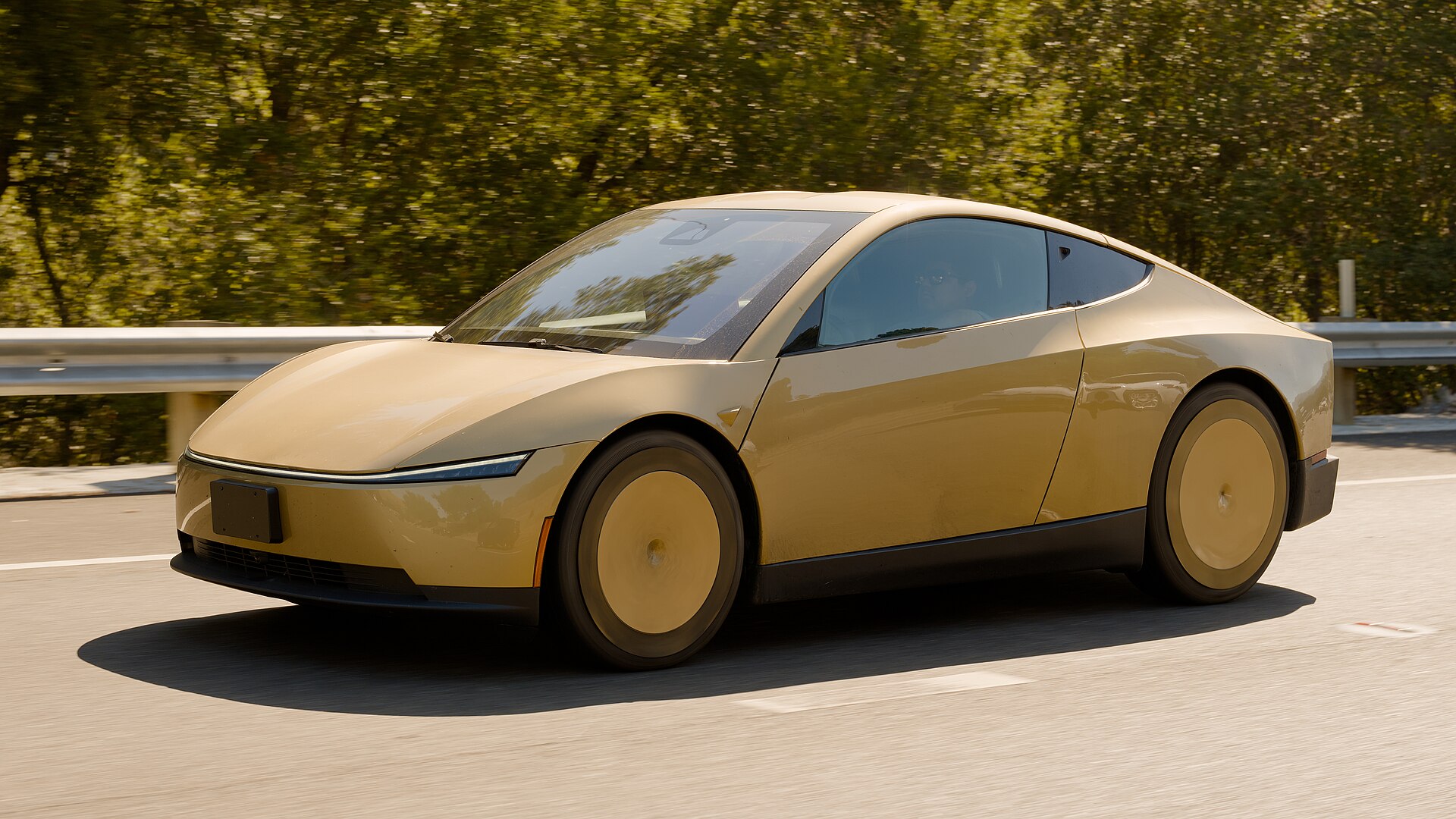
Elon Musk said on Friday, November 6, 2026, that Tesla will wind down Cybertruck production at its Austin factory, Gigafactory Texas, around the middle of 2027, to make room for more Cybercab robotaxis, as Global News reported. The Cybertruck is built only in Austin, and Musk did not say whether another plant would pick it up.
Prices moved the same day. Tesla raised Cybertruck prices by up to 10% and stopped taking orders for the entry trim, according to Electrek. As of the November 6 price change the Dual Motor All-Wheel Drive is listed at $82,490 and can no longer be ordered, the Premium All-Wheel Drive is $92,490 and the Cyberbeast is $102,490. About 10 weeks earlier the cheapest Cybertruck anyone could order was $69,990.
On Monday, November 9, Musk said Tesla would build as many trucks as it can before the line stops: "We will try to make as many as possible before shutting down the line in about 8 months, but will have to return deposits for a lot of people," in comments reported by CBS News. Musk framed the reason as demand rather than weakness: he said the order rate far exceeds what the line can produce, so some orders will not be filled before it closes, as TechCrunch reported. Reuters reported Tesla plans to add a production shift in Texas to work through the order book first. Musk also rejected the idea that the truck lost money, saying the "opportunity cost of the complexity of Cybertruck is vastly outweighed by the value of incremental Cybercab production."
What Tesla's own filings show about volume
Tesla does not publish sales by model. In its quarterly production and delivery reports it splits output into Model 3/Y and one line called "Other Models," which covers everything else. That bucket produced 7,004 vehicles and delivered 8,295 in the third quarter of 2026, against 457,387 Model 3/Y produced in the same three months.
The trend inside that line is steep: 13,775 produced in the first quarter of 2026, 8,822 in the second, 7,004 in the third. The first-quarter figure still included the Model S and Model X, which stopped taking custom orders in April 2026. Tesla does not say what else the line contains, so the later quarters are mostly Cybertruck but cannot be read as only Cybertruck.
Independent estimates point the same way. Kelley Blue Book counted 38,965 Cybertrucks sold in the US in 2024 and 20,237 in 2025, a 48% drop, as NBC News reported. Cox Automotive and Kelley Blue Book put sales through the first three quarters of 2026 at 11,586 trucks, down 28% from the same period a year earlier. Musk's stated target before the truck launched was 250,000 a year.
For scale, Cox Automotive estimated 262,649 EVs sold in the US in the third quarter of 2026, about 6.4% of all new vehicle sales, with Tesla accounting for more than half of that EV total. Electric pickups stayed a small segment: as automotive analyst Felipe Munoz told NBC News, "electric pick ups aren't popular in the US."
Some of the recorded demand came from inside Musk's own companies. SpaceX disclosed in its IPO filing that it bought $131 million of Cybertrucks from Tesla at suggested retail prices during 2025, more than 1,000 trucks, Reuters reported.
Why low volume makes a vehicle expensive to build
A factory line carries two kinds of cost. One moves with each unit: steel, battery cells, motors, the hours someone spends assembling it. The other is fixed: designing the vehicle, the stamping and forming equipment, the robots, paying suppliers to tool up for parts. Fixed costs stay the same whether the line runs flat out or half empty, so the fewer vehicles come off it, the more of that bill each one carries.
Example: say a dedicated truck line costs $2 billion to design, tool and equip, written off over five years, so $400 million a year. At 200,000 trucks a year, the line adds $2,000 of cost to each truck. At 25,000 a year, the same line adds $16,000 to each truck, before any parts or labor. The truck is identical in both cases; only the number of trucks sharing the bill changed.
The Cybertruck made that harder than usual because it shares very little with Tesla's high-volume cars. The stainless steel body panels, the 48-volt electrical system and the steer-by-wire steering are specific to it, so the engineering and the parts could not be spread across millions of Model 3s and Model Ys. It also never cleared European pedestrian impact rules, which kept it out of a large market and capped the volume it could ever reach.
That is the context for Musk's "opportunity cost" wording. Floor space, workers and tooling budget can only build one thing at a time, and Tesla has decided the same square footage is worth more making Cybercabs.
Who is affected and what to do now
- People with an order or deposit. Musk has said deposits will come back to a lot of people. If you have an order, open your Tesla account, read the order agreement for what is refundable and on what timeline, and keep the confirmation. The truck was unveiled in 2019 at a starting price of $39,900, and what is refundable is set by the order agreement attached to your own order, so that document is the one that matters. Tesla has not published how the refunds will be handled or when.
- Current owners. Wes Morrill, the Cybertruck's lead engineer, said on November 6 that Tesla will maintain spare parts and continue service. That is a public statement, not a change to warranty terms, so existing warranty and service documents still govern. Sales tracker Good Car Bad Car estimates fewer than 65,000 Cybertrucks are on US roads, and the truck has been through 11 recalls, including 3,878 vehicles for a stuck accelerator pedal in April 2024 and 46,096 for a light bar coming loose in March 2025.
- Suppliers. Firms that tooled up for Cybertruck-only parts lose that volume when the line closes, and those parts fit nothing else Tesla sells.
- Workers at Gigafactory Texas. Near term there is an added shift to clear orders. After mid-2027 the line comes out.
What to watch next
- Tesla's fourth quarter 2026 production and delivery report, due in early January 2027. The "Other Models" line is the only official read on how fast Cybertruck output is falling.
- Whether Tesla books a write-down on Cybertruck-specific equipment in its annual report. Tesla cut its 2026 capital spending guidance to "in excess of $20 billion" from more than $25 billion in its third quarter filing, and closing a product line is the kind of event that can produce an impairment charge, an accounting write-off taken when equipment is worth less than the value carried on the books.
- The Cybercab's legal standing. Federal regulators opened an audit query on September 4, 2026 into the process and technical data Tesla relied on when certifying the Cybercab, as TechCrunch reported. Six days later the agency issued a Special Order demanding sworn answers on how a vehicle with no steering wheel, pedals or mirrors meets federal safety standards, with penalties of up to $139 million for failing to answer fully, according to Electrek. The vehicle Tesla is clearing the line for is still under examination by its own regulator.
The limits here are worth stating plainly. Tesla has never published revenue or profit for the Cybertruck on its own, so Musk's rejection of the claim that the truck lost money cannot be checked against any filing, and outside estimates of what the program cost cannot be checked either. What is documented is the production trend in Tesla's quarterly reports, the price list as of November 6 and the closing date Musk gave.