
Benchmark silver premiums on the Affordable Care Act marketplaces are going up 13% on average for 2027, and the window to buy one of those plans opened on November 1, 2026. For anyone who buys coverage without an employer, a group that includes many freelancers, contractors and small business owners, two other changes matter as much as the sticker price: the larger subsidy that ran from 2021 through 2025 is gone, and so is the cap on paying back subsidy money you turn out not to have qualified for.
Open enrollment for 2027 runs from November 1 to January 15
The 13% figure comes from KFF's October 30 review of finalized 2027 rates. It describes the benchmark silver plan, the second-lowest-cost silver plan in an area and the one the government uses to size premium tax credits. The increase is not spread evenly: benchmark premiums rose 11% in states that use HealthCare.gov and 16% in states that run their own marketplaces, and benchmark premiums are up 42% on average over the two years from 2025 to 2027.
The Centers for Medicare and Medicaid Services, which runs HealthCare.gov, published its own numbers the same day. CMS says more than 75% of people who buy through HealthCare.gov "will continue to have access to premiums at or below $50 in 2027," and that shoppers see about 100 plans and five to six insurance companies on average, according to its plan year 2027 fact sheet. That $50 is what remains after a premium tax credit, so it applies only to buyers whose income qualifies.
Enrollment closes January 15, 2027, but December 15 is the last day to enroll or switch for coverage that starts January 1. Sign up between December 16 and January 15 and coverage starts February 1, per HealthCare.gov's dates and deadlines page. KFF notes the period starts November 1 "in most states," so anyone in a state that runs its own marketplace should check the local calendar.
The enhanced premium tax credit expired at the end of 2025
The enhanced credits that applied from 2021 through 2025 were larger and reached households with income above the 400% ceiling. They expired at the end of 2025, which makes 2027 the second plan year back under the older rules.
Under those older rules a household qualifies for a credit only if income is at least 100% of the federal poverty level and no more than 400%. The credit is the gap between the benchmark premium and a set share of household income. For 2027 that share runs from 2.15% of income below 133% of poverty up to 10.22% for households between 300% and 400% of poverty, under the indexing figures in IRS Revenue Procedure 2026-26.
Eligibility for 2027 coverage is measured against the 2026 poverty guidelines, which HHS published in January 2026: $15,960 for one person, $21,640 for two and $33,000 for a family of four in the 48 contiguous states and the District of Columbia. Multiply by four and the cutoff for any credit at all is $63,840 for one person, $86,560 for two and $132,000 for a family of four. People over that line, KFF writes, "no longer qualify for premium tax credits and must pay the full cost of coverage."
Example: a single freelancer estimates 2027 net profit of $60,000, which is under the $63,840 line. The benchmark silver plan in their county costs $700 a month, $8,400 for the year. Their required share is capped at 10.22% of income, roughly $6,100, so the credit covers about $2,300. Finish the year with $66,000 of net profit instead and they are over the line: the credit for the year drops to zero, and the full $2,300 of advance credit gets added to what they owe at tax time.
Millions have already left the individual market
The exit started a year ago. Marketplace plan selections fell by 1.2 million during the 2026 open enrollment period, and by February 2026 enrollment among people actually paying premiums was down 12%, or 2.6 million, to 19.2 million. Across the whole individual market, enrollment fell 18% by June 2026, from 25.2 million to 20.5 million. The Congressional Budget Office has estimated marketplace enrollment will fall from a 2025 peak of 22.4 million to 13.1 million in 2027.
Part of that drop came from a narrow band of income just above the subsidy cutoff. A May 19, 2026 KFF analysis of 2026 enrollment found that households with income between 400% and 500% of poverty were just 3% of 2025 sign-ups but accounted for 27% of the drop in sign-ups from 2025 to 2026. Among those who stayed, the average monthly payment after credits rose 58%, from $113 to $178, and the average deductible rose 37% to $3,786 as bronze plans went from 30% to 40% of selections.
Who is selling, and to whom, also changed. HHS reported in September 2026 that it cancelled coverage for roughly 760,000 people CMS called "phantom" enrollees, meaning a broker may have signed them up without their knowledge, and sent a list of about 1.2 million people to insurers for review. For 2027, KFF counted 11 carriers announcing plans to leave at least one state and seven announcing entries, with Cigna leaving the individual market in all 11 states where it currently sells.
Underestimating your income now costs more at tax time
Marketplace credits are usually paid in advance, straight to the insurer each month, based on the income you estimate when you apply. You then settle up on Form 8962 with your tax return. Through 2025, repayment caps limited how much a household had to hand back when real income came in higher than the estimate. That protection is gone: beginning with tax year 2026, the IRS states, "the taxpayer must repay the full amount of any excess advance payments of the premium tax credit," because the repayment limits no longer apply.
That lands hardest on income that moves. A strong fourth quarter or a one-time project can push a self-employed household past a threshold it was nowhere near in January.
HealthCare.gov's guidance for self-employed applicants says to report net income, the profit figure from Schedule C, and that "Marketplace savings are based on your estimated net income for the year you're getting coverage, not last year's income." It also tells applicants to update that estimate when business circumstances change. In practice:
- Update the application during the year when a large contract starts or ends, not at filing time.
- Consider taking less than the full advance credit each month and claiming the rest on the return.
- Estimate net profit, not revenue, since deductible business expenses lower the income the credit is measured against.
Two tax rules still work in the buyer's favor
Premiums you pay for your own coverage may be deductible. The IRS says that if you are self-employed "and have a net profit for the year," you may be eligible for the self-employed health insurance deduction, and that it is "an adjustment to income, rather than an itemized deduction," which means you do not have to itemize to use it.
The second rule is newer. Since January 1, 2026, bronze and catastrophic plans bought through an exchange count as health savings account compatible under IRS Notice 2026-05, whether or not they meet the usual high-deductible definition. CMS says eligible HealthCare.gov enrollees have access to 35 HSA-eligible plans on average. For 2027 the contribution limits set in Revenue Procedure 2026-24 are $4,500 for self-only coverage and $9,000 for family coverage. With the average marketplace deductible already near $3,800, a bronze plan paired with an HSA is worth pricing out.
Dates and bills to watch
The nearest deadline is December 15 for coverage starting January 1, and because the credit drops to zero the moment income crosses 400% of poverty, a careful year-end income estimate is worth more than it was two years ago.
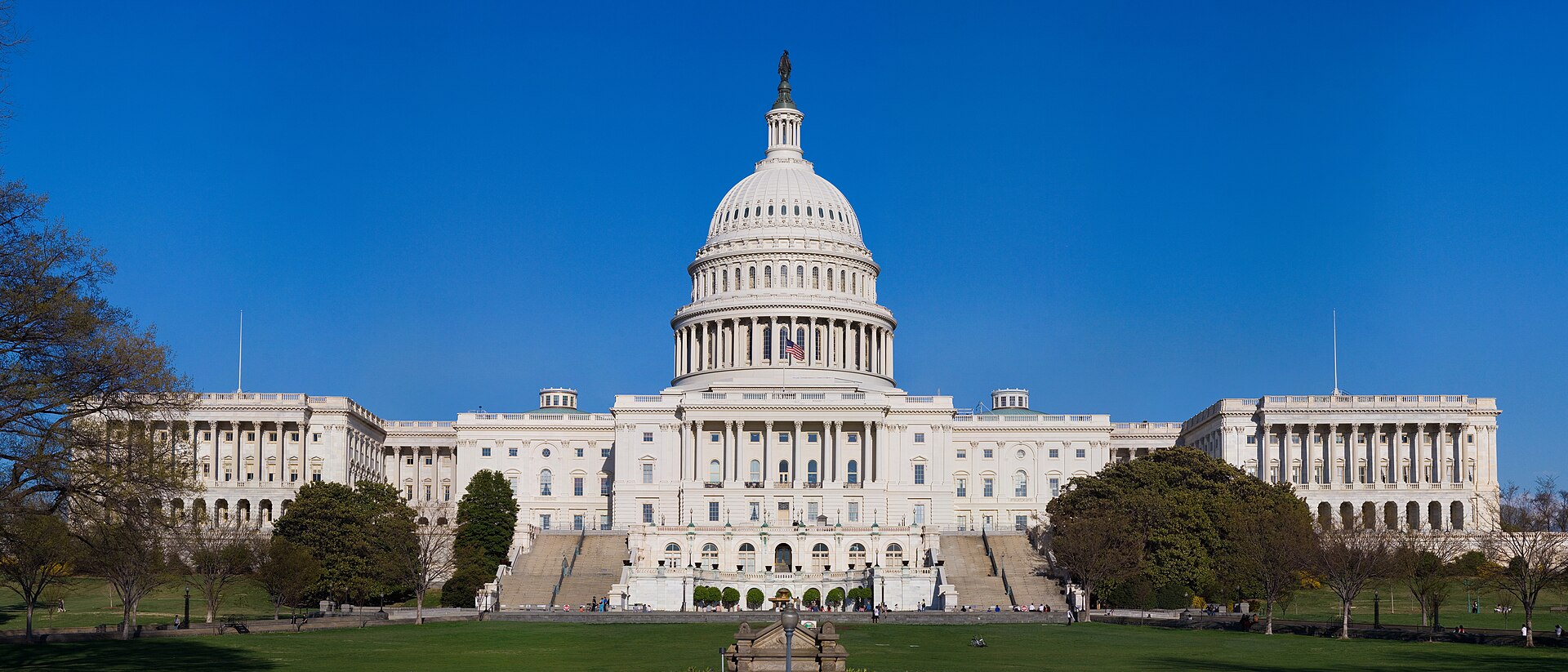
In Washington, a three-year extension of the enhanced credits passed the House 230 to 196 on January 8, 2026, with 17 Republicans voting with Democrats. No extension has become law. Insurers have already filed and had 2027 rates approved, so the sticker prices on the marketplace this month would not be reopened by a later bill, though a bill that restored the larger credits could change what a subsidized buyer ends up paying.
One limit on all of the above: 13% is a national average for benchmark plans. An individual premium depends on county, age, tobacco use, household size and income, so the only way to see a real number is to run your household through your state's marketplace during the window.