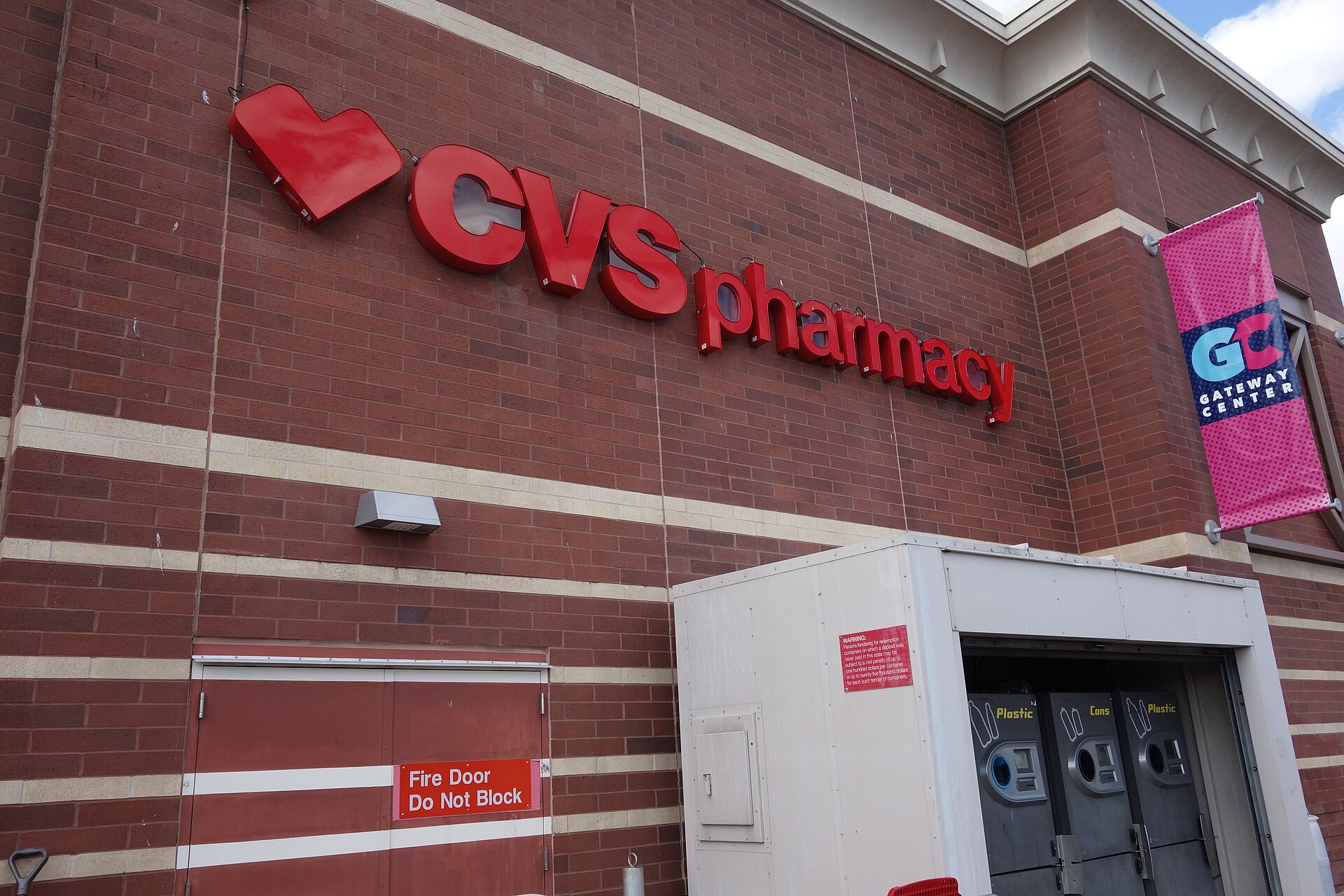
CVS Health told investors on November 4, 2026 that it plans to break itself into two separate public companies by the first half of 2028, undoing the structure it spent nearly two decades building. One company keeps the stores: roughly 9,000 retail pharmacies, the mail order pharmacy, MinuteClinic walk-in and virtual care, and a technology unit called Health100. It will be called CVS Pharmacy, led by Prem Shah. The other keeps Aetna the health insurer, Caremark the pharmacy benefit manager, CVS Specialty, Oak Street Health and Signify Health, with chairman and chief executive David Joyner in charge, and it will use the CVS Health name on an interim basis.
The announcement is a plan with a target date, not a signed deal
CVS said in its own announcement that the separation is subject to "final approval by the CVS Health Board of Directors, effectiveness of a Form 10 registration statement filed with the U.S. Securities and Exchange Commission and receipt of customary confirmation about the tax-free treatment." A Form 10 is the registration document a company files with the SEC to turn part of an existing business into a new public company. CVS intends the split to be tax-free for federal income tax purposes, with shareholders ending up holding stock in both companies. On why two companies are worth more than one, the same release says each would gain "a focused strategic agenda with an experienced and dedicated leadership team" and "an independent capital structure and strong free cash flow."
In the third quarter of 2026, CVS reported total revenues of $108.4 billion, up 5.4% from a year earlier, and GAAP diluted earnings of $1.68 per share against a loss of $3.13 per share in the third quarter of 2025, a quarter that included a $5.7 billion goodwill impairment charge. As of September 30, 2026 the company listed about 9,000 retail pharmacy locations, more than 1,000 walk-in and primary care clinics, about 87 million pharmacy benefit plan members and 26.1 million medical members.
A pharmacy benefit manager sits between your health plan and your pharmacy
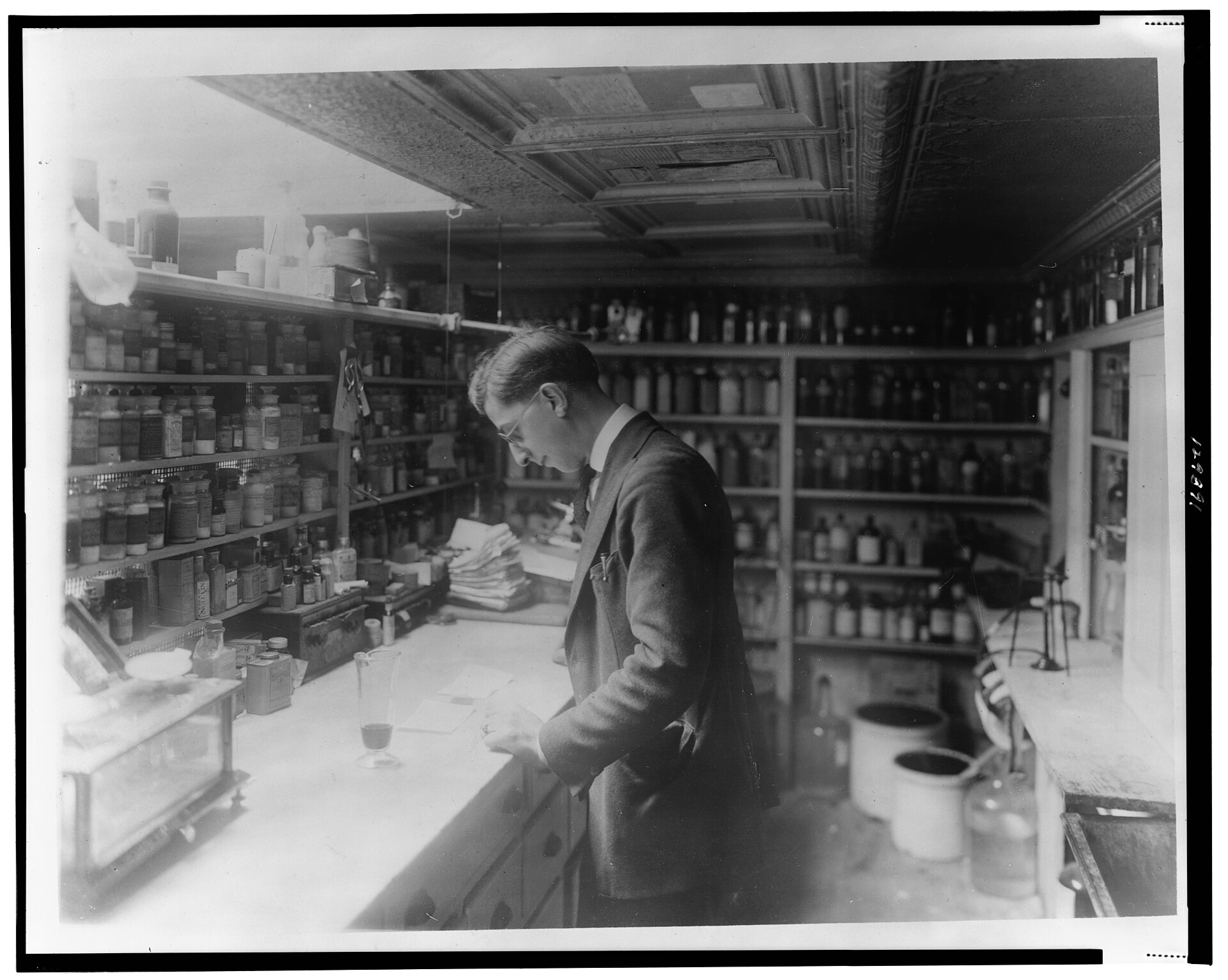
A pharmacy benefit manager, or PBM, is hired by employers, insurers and government programs to run the prescription drug part of a health plan. It builds the formulary, meaning the list of drugs the plan covers and what you pay for each one. It negotiates rebates with drug manufacturers, and it sets how much a pharmacy gets paid for filling a prescription. Caremark is one of the three largest in the country.
That business is concentrated. The Federal Trade Commission's interim staff report of July 9, 2024 found that the top three PBMs processed nearly 80 percent of the approximately 6.6 billion prescriptions dispensed by U.S. pharmacies in 2023, and that pharmacies affiliated with the three largest account for nearly 70 percent of all specialty drug revenue.
CVS assembled all three layers. It bought Caremark for $26.5 billion in 2007, according to CNBC, and acquired Aetna on November 28, 2018 in a deal its own annual report valued at "approximately $212 per share or approximately $70 billion." The logic was that an insurer could send members to a PBM it owned, which could steer prescriptions to pharmacies it owned, with the parent keeping a margin at each stop.
The two halves earn money in completely different ways
Retail pharmacy runs on thin margins. Pharmacy and Consumer Wellness produced $1.6 billion of adjusted operating income on $35.5 billion of revenue in the third quarter of 2026, while filling 470.0 million prescriptions measured in 30-day equivalents. CNBC reports that the segment's adjusted operating margins run "roughly 4% to 5%," helped by CostVantage, which CNBC describes as a program "designed to replace the traditional process with a more transparent, cost-based model."
Example: a store rings up $1 million of prescriptions in a year. At a 4.5 percent operating margin, that leaves roughly $45,000 before interest and taxes. If a contract renewal cuts what plans pay by two cents on the dollar, about $20,000 of that disappears.
The insurance side is coming off a worse stretch and improving. Health Care Benefits reported $912 million of adjusted operating income on $36.9 billion of revenue, up from $314 million a year earlier, with a medical benefit ratio of 91.3% against 92.8% in the third quarter of 2025. That ratio is the share of premium dollars paid out in medical costs, so a lower number leaves more premium behind. Health Services, which holds Caremark, reported $54.0 billion of revenue and $2.1 billion of adjusted operating income. That revenue is not comparable to the other segments because PBM revenue includes the cost of the drugs it pays for and passes through.
CVS raised full-year 2026 guidance to adjusted earnings of at least $8.20 per share and operating cash flow of at least $15.5 billion, which CNBC notes is roughly 70% above the $9.1 billion of 2024. Joyner said the decision comes "out of a position of strength," and that in 2024 the company was "in a turnaround" lacking "the flexibility, cash or business performance to execute a split." CVS shares closed more than 12% lower on November 4, 2026, CNBC reported.
State legislatures and Congress were already pulling at the same seam
Arkansas Act 624 was signed into law on April 16, 2025, and it would prohibit PBMs from owning or operating pharmacies in the state, with an effective date of January 1, 2026. Express Scripts, Optum, CVS Pharmacy and the Pharmaceutical Care Management Association sued, and the U.S. District Court for the Eastern District of Arkansas preliminarily blocked it on July 28, 2025. The appeal is pending before the Eighth Circuit as Express Scripts, Inc. v. Richmond.
Tennessee passed its own ban on PBM pharmacy ownership, the Fair RX Act, in May 2026, and three lawsuits challenge it. Florida's attorney general has announced a probe of CVS Health and Caremark.
In Congress, the Patients Before Monopolies Act, S. 4509, was introduced on May 13, 2026 by Senator Elizabeth Warren with Senators Josh Hawley, John Fetterman and Roger Marshall. It would prohibit PBMs and pharmacies from being under common ownership, and it has not been enacted. Democrats won control of both the House and Senate in the November 3, 2026 midterms, with CBS News projecting at least 54 Senate seats. Joyner told Healthcare Dive that regulatory pressure was not the reason for the breakup.
What it changes, and for whom
CVS's statement is explicit about the near term: "Customers, patients and clients will continue to receive their medicine, care, benefits and services, uninterrupted." Nothing at the counter changes because of an announcement, and the target date is more than a year away.
- Patients. After a separation, the pharmacy filling your prescription and the PBM deciding what that pharmacy gets paid would answer to different boards. Joyner said the overlaps would survive through contracts: "The unique products that we've built over the last, you know, 20 years are things that are going to be preserved in commercial agreements between the two organizations." Those agreements have not been published.
- Employers and health plans. Caremark contracts continue as they are for now. What matters later is whether a Caremark owned alongside Aetna negotiates differently with a CVS Pharmacy it no longer owns.
- Independent pharmacies. The Arkansas and Tennessee laws target this exact overlap, a PBM setting prices while owning stores that compete with independents. A standalone CVS Pharmacy removes that overlap at CVS, though it does not change what Caremark pays anyone.
- Workers. The announcement included no job-cut figures or store-closing plans, and two public companies normally carry two sets of corporate functions.
- Shareholders. They would receive stock in both companies, and the intent is tax-free treatment. Neither company's standalone finances are public yet.
What to watch next
- The Form 10 registration statement on SEC EDGAR, the first place each company's standalone revenue, profit and debt will appear. Agreements between the two are often filed as exhibits.
- Confirmation of the tax-free treatment and final board approval, both of which CVS listed as conditions, so the plan can still change.
- The Eighth Circuit ruling on Arkansas Act 624 and the Tennessee cases, which will shape whether states can force PBMs out of pharmacy ownership anyway.
- Whether federal common-ownership bills move once the new Congress is seated in January 2027.
- CVS's fourth quarter and full-year 2026 report, which will show whether the insurance margin recovery held up.
What a patient pays at a pharmacy counter will depend on contracts between the two companies that have not been disclosed, so any prediction about prescription prices after the separation is guesswork.